Pvt. John Rogar
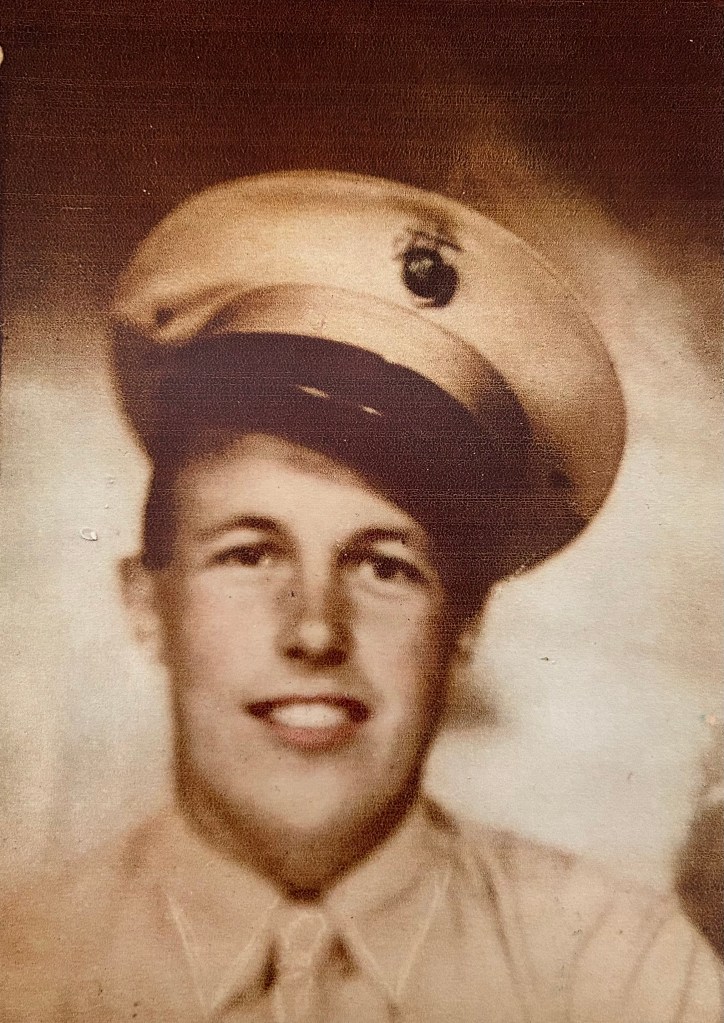
John Rogar, born in January 1922. His parents originally both hailed from different parts of Poland, but after immigrating, the work available in the rail yards and coal mining industry brought both of their families to the mining town of Stanaford, located near the southern tip of West Virginia. There the two met, worked and started a family of their own, eventually having seven children. The fourth of the bunch, John, was ten when his father passed away, his immigrant mother now alone with a large family to care for while on the verge of homelessness and desolation.
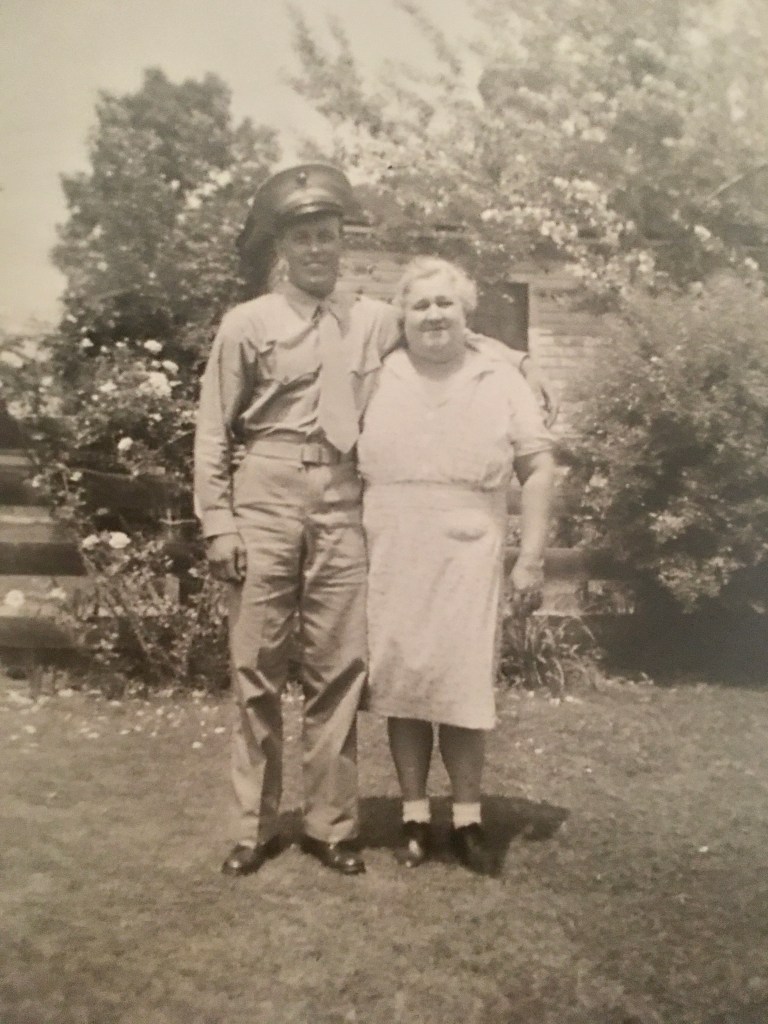
They were fortunate to have a cow and some chickens, along with a small garden. But in order to keep them, the oldest two children had to drop out of school and take jobs, one at the mining company store, the other in the mine itself. The latter’s employment allowed the family to remain living in the tiny coal camp house they inhabited, built by the mining company and provided to its workers, just as their father had previously. The house was not much of a deal: it was small, cramped and crudely built. So poorly insulated was it that John remembered that in the winter, the bitter cold would cause the linoleum floors to curl up around all its edges. Still, they had nowhere else to go, and given what else was available to families such as theirs during the Depression, they felt fortunate to have it.
Fortunately for the town’s inhabitants, the mine managed to stay open through the 1930s, allowing work for all that wanted it. Still, the funds they brought in were never enough to really ever allow them to advance in life, and things always remained difficult. John’s mother always did her best to provide however, even saving and making it a goal to ensure the kids each received something at Christmas, even though on a number of times their only present on Christmas morning was some nuts or an orange in each of their stockings. But with all the other kids in the camp in the same boat, no one else fared much better, so any disappointment was minimal.

In 1935, John was forced to follow in his brothers’ footsteps, dropping out of school in the eighth grade to begin what was likely to be a life spent in the cold and dark, harvesting coal underground. The conditions there were notoriously unhealthy, and life expectancies for these workers was far shorter than for even the standards of the day. The physical labor was demanding as well, particularly for a child in his early teens. His prospects in life were slim, but there was no other option, it was literally mining or homelessness and starvation for his entire family.
Tightened belts aside, there were activities put on for the mining families in the community for their spare time. John loved playing baseball or softball on one of the camp’s youth teams, competing against those from some of the other coal camps around the area. The town also provided a roller rink, which was a favorite gathering place for the town’s youth as it was everywhere.
There he met a girl named Mildred Prince, and the two loosely courted for a while. That lasted until her next birthday, when John passed by her on the street, quietly sliding a gold watch into her hand as a present. The gift sealed the deal, and they became an official couple in the time that should have been their high school years. Although the life of a coal miner was not one the average person typically dreamt of, but with the promise of housing and a job, the pair did not have to look too far down the road to see the moment where they felt old enough to take an even more serious and lasting step.

Their family was so poor that not owning a radio was the least of their worries. Coming home from church that fateful Sunday, an uncle that lived just up the hill who had a set came rushing down and told them what had just happened in Hawaii. The family then all rushed up to his house and listened around his radio for hours, never forgetting how they all sat there and listened in shock at the steady stream of horrific news coming through its speaker.
Rogar had close friend who had worked the mine with him and also played on his same camp baseball team. The friend had joined the Marines a few months before, so he figured he might as well go that way too and signed up. With his plans in life now changed, he then stopped by his longtime girlfriend Mildred’s house to ask if she would marry him before he went overseas. Her parents were far from supportive of the proposition, worried that the young man would just make their young daughter a widow, and so refused to give their permission.
No doubt disappointed, the couple dutifully decided to wait on their engagement, eagerly awaited plans now likewise on hold “for the duration of the national emergency.”
 HOME
HOME 